Aced Xtrades — Crypto Exchange App

Onboarding
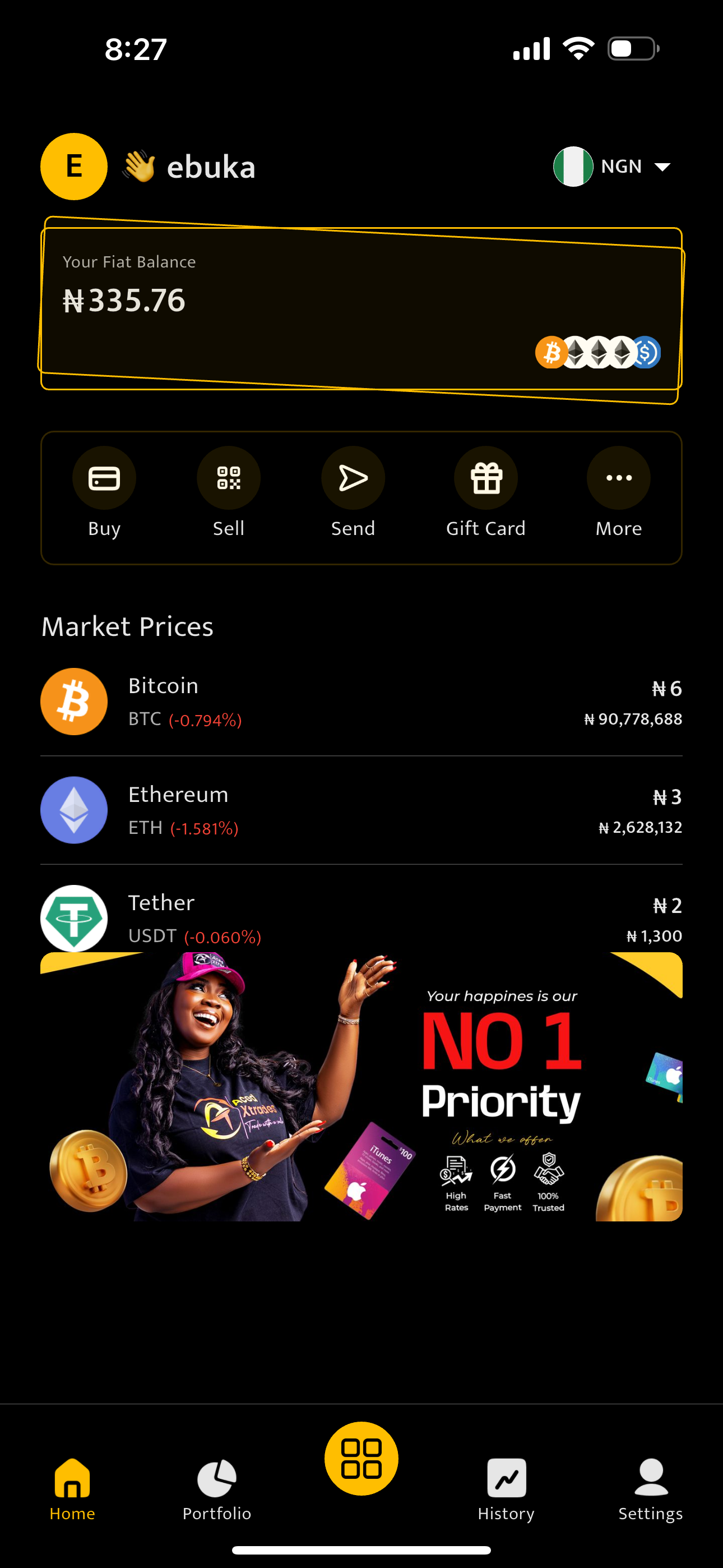
Home Dashboard
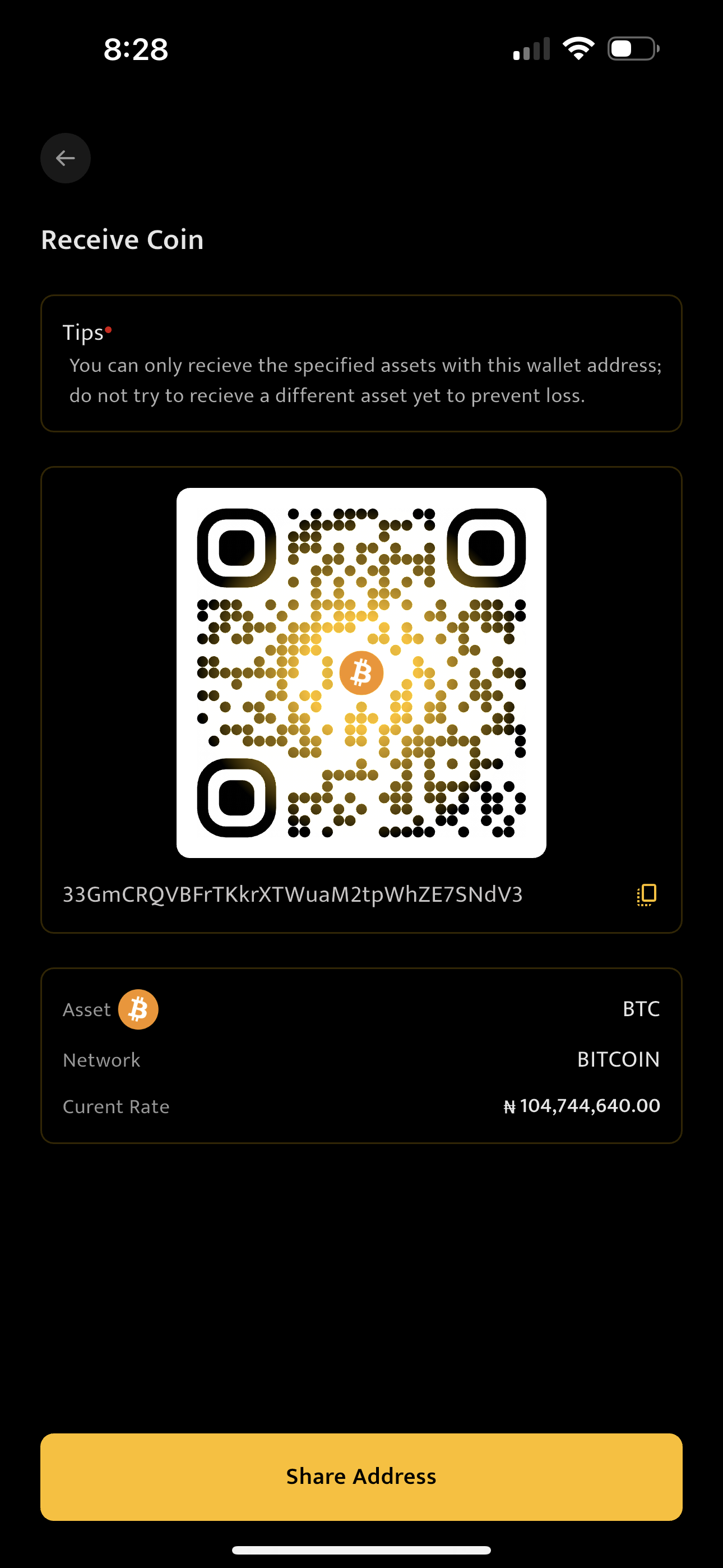
Receive / QR
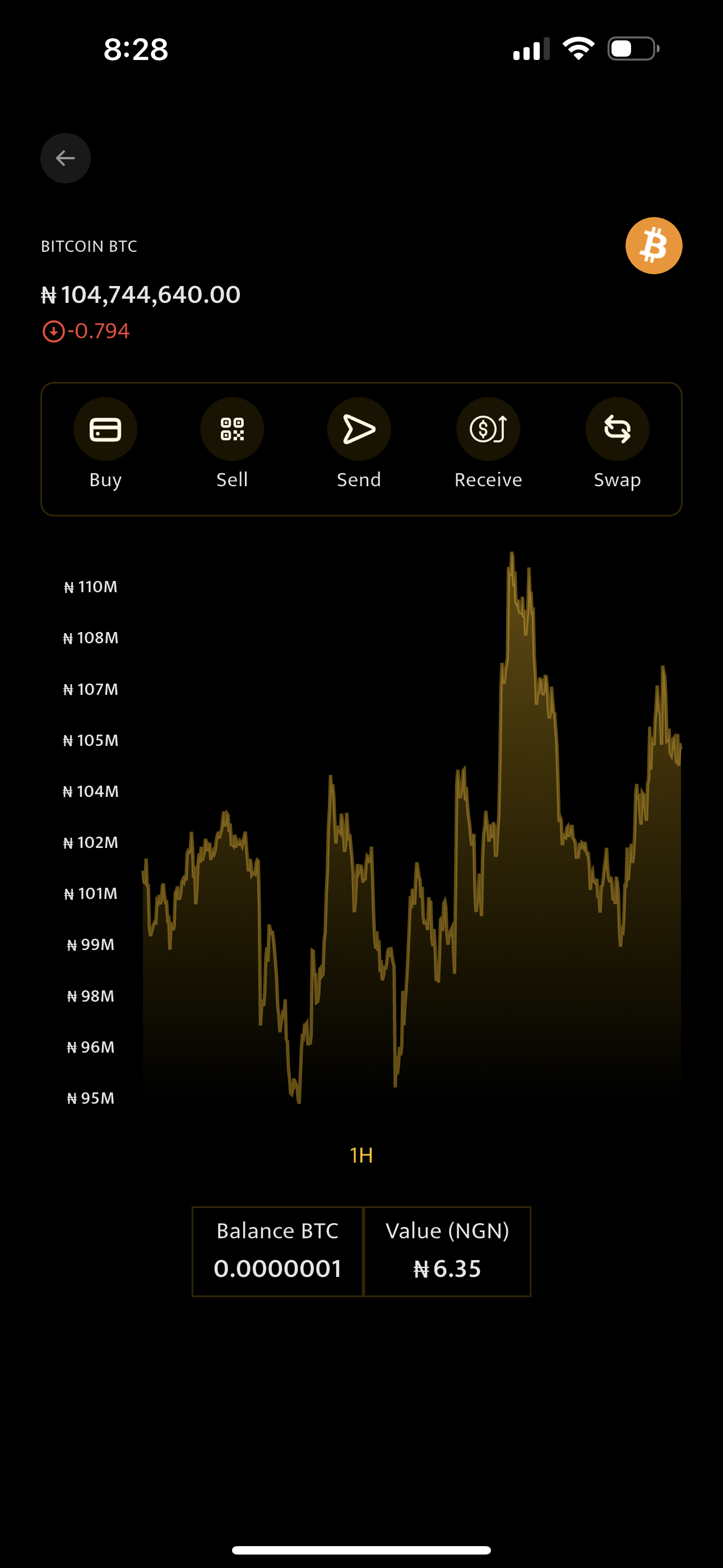
BTC Chart
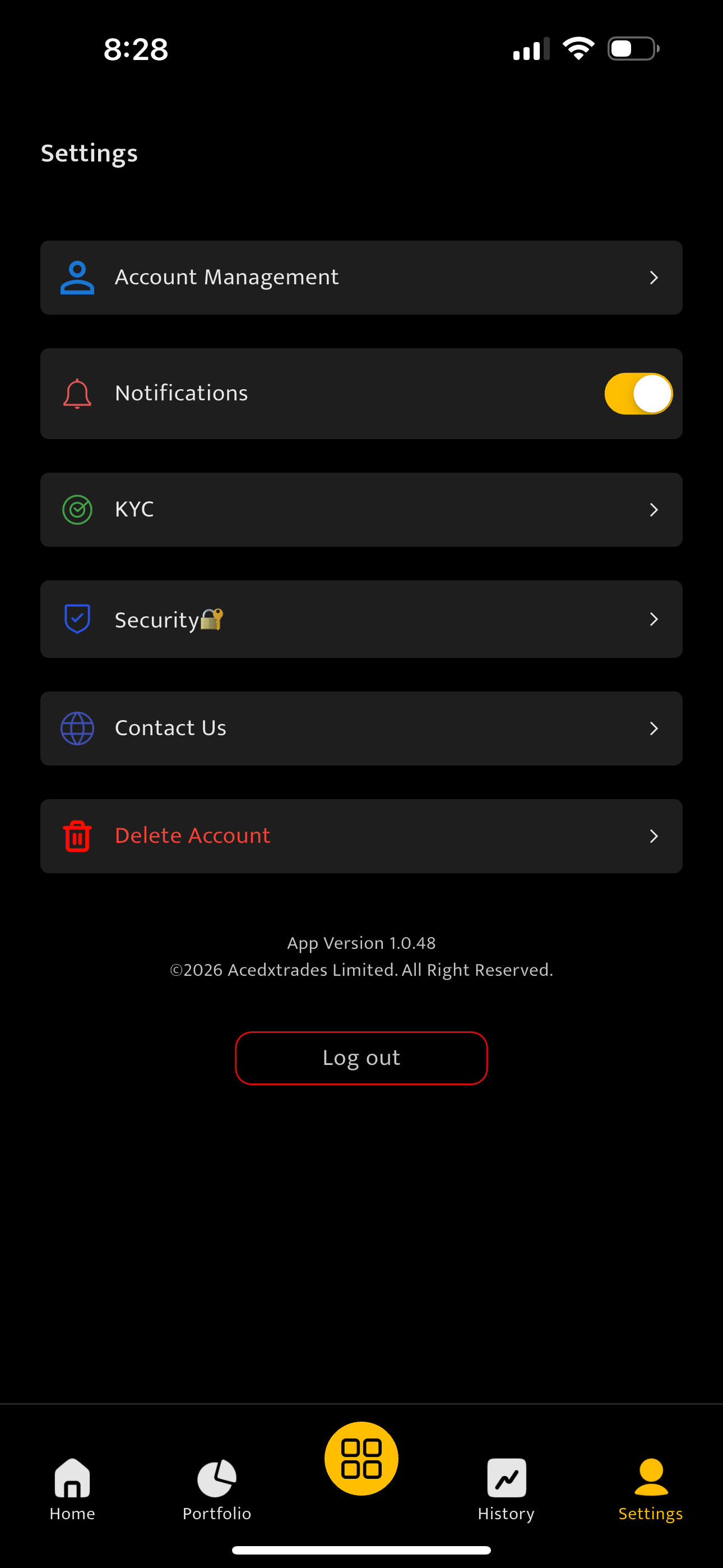
Settings
Overview
AcedXTrades is a mobile-first crypto and gift card exchange platform targeting the Nigerian and African market. As founder and PM, I led the end-to-end product lifecycle — from initial ideation and product vision through to launch and ongoing iteration. The platform enables users to buy, sell, and trade cryptocurrencies and gift cards with a focus on speed, trust, and liquidity.
My Role & Contributions
Defined product vision, feature roadmap, and prioritization framework
Translated requirements into PRDs and user stories for engineering team
Designed user flows for crypto trading and gift card exchange
Managed UI/UX iterations for onboarding and trading experience
Coordinated cross-functional team: developers, designers, marketers, media
Drove partnerships and go-to-market execution
V2 Revamp — In Progress
A full platform revamp is underway. The redesign addresses identified UX gaps and introduces modern architecture, wallet upgrades, and new feature categories including virtual card payments (Aced Card), merchant crypto checkout (Aced Pay), and in-app crypto education (Aced Learn).
I managed the revamp roadmap through structured phases: design → architecture → implementation → card integration → QA → soft launch → public relaunch.
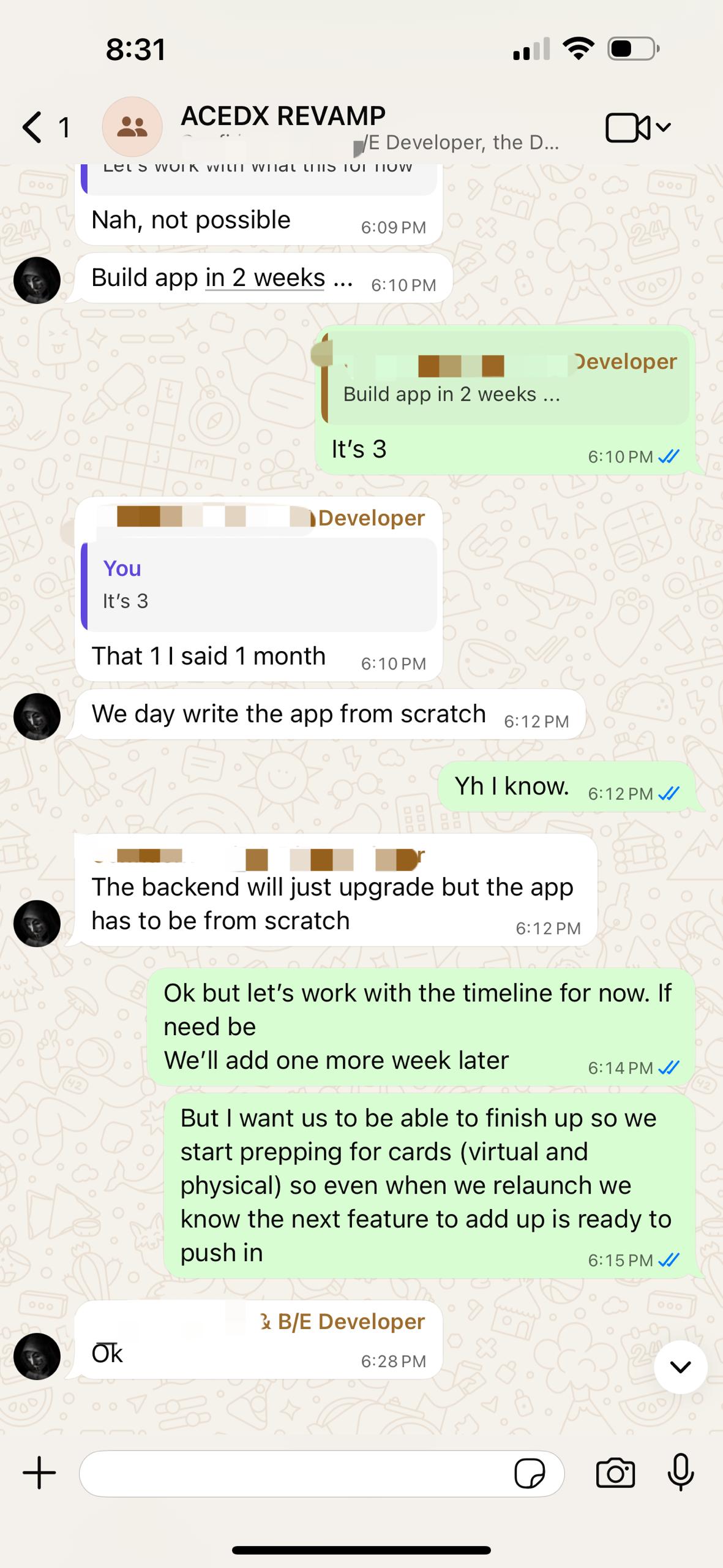
PM Decision Proof — Timeline Management
WhatsApp — PM Negotiating Developer Timeline (Names Blurred)
Sub-Products in Pipeline
Aced Card — Virtual USD/USDT card enabling users to spend digital assets online. Defined card lifecycle, transaction flows, and competitor analysis.
Aced Pay — Merchant crypto checkout infrastructure. Designed merchant onboarding, checkout flow, and settlement structure.
Aced Learn — In-app crypto/blockchain education with gamified features and structured learning modules.
Kuda Teen Debit Card
Context
This is a product concept case study completed as part of my EntryLevel Product Management Level 1 certification. It demonstrates my ability to apply PM frameworks — from problem discovery through to MVP definition and prototype scoping — in a realistic product context.
The project was set within the Kuda Microfinance Bank ecosystem. All research, prioritization, and design decisions were conducted independently as part of the programme.
Problem Statement
Teenagers aged 11–18 in Nigeria need to make offline and online payments but cannot open bank accounts. This leaves them dependent on cash — which creates safety risks, zero parental spending visibility, and blocked access to online marketplaces and digital services.
Solution
A prepaid debit card product that lives inside the Kuda mobile app, requiring no bank account. Teens use the card for purchases; parents top up balances, set spending limits, receive real-time notifications, and can freeze the card instantly — all from the Kuda app.
Target Market
End Users: Teens aged 11–18 in urban/semi-urban Nigeria
Buyers: Parents aged 28–50 with Kuda accounts
Key Cities: Lagos, Abuja, Port Harcourt, Enugu, Ibadan, Delta
Market Signal: E-payment value grew ₦280T → ₦384T (2024–2025)
User Research
Conducted 3 user interviews to validate the problem space. Key validated pain points: cash loss and theft risk, inability to monitor teen spending, difficulty accessing online payments for school subscriptions and e-commerce, and desire for parental controls without full account responsibility.
PM Frameworks Applied
MVP Features
Parent-set spending limits per transaction / period
Real-time push notifications for all teen transactions
Instant card lock / freeze from parent dashboard
Virtual card access for online purchases
Parent funding dashboard within Kuda app
Teen one-time spending approval requests
Prototype
Produced a clickable Figma prototype of the "Teen Card" section within the Kuda app, scoped to the parent-facing management flow — including card setup, spending limits, transaction history, and freeze/unfreeze controls.
Moniepoint — Product Teardown
Overview
An in-depth product teardown of Moniepoint — Nigeria's leading merchant banking and POS payments platform. I evaluated the product across five dimensions, scoring each on a five-point scale, and provided structured recommendations for each gap identified.
Scores
Onboarding
5/5
Core Features
4/5
UX & Design
3/5
Monetisation
3/5
Customer Support
2/5
What Moniepoint Gets Right
Onboarding Design — Phone number first, USSD OTP for low-connectivity areas, account in under 5 minutes. Built for its actual users.
Distribution as Strategy — POS agents across 33 states, Relationship Manager model, 48-hour terminal delivery.
Moniebook Data Flywheel — Payments generate transaction data → credit decisions → merchant growth → more transactions. Creates genuine switching costs.
Key Gaps & Recommendations
Customer Support — No in-app dispute tracker, no proactive notifications, no escalation SLA paths. Recommendation: real-time in-app dispute tracker with status updates.
Personal Banking Identity — ₦10 transfer fee vs free competitors, no cross-product rewards. Recommendation: tiered rewards linking merchant activity to personal account benefits.
Session Stability — App terminates sessions without warning during active transactions. Recommendation: proactive push notifications for any account restrictions or session changes.